

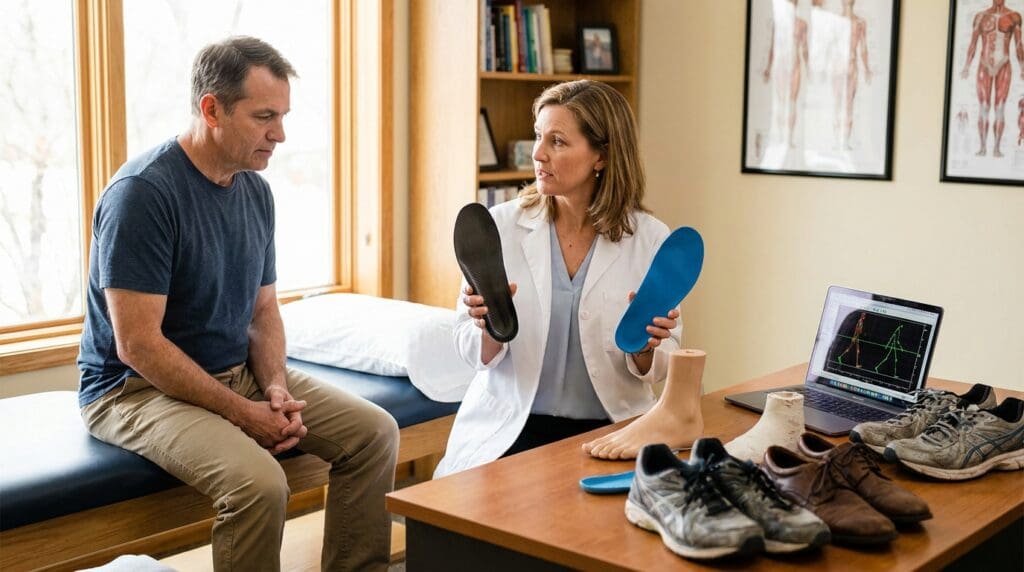
When foot pain disrupts your daily routine, finding the right support is crucial, but staring at a wall of generic insoles often leaves you with more questions than answers. The debate over rigid vs. soft custom orthotics is one of the most common discussions we have in clinical practice. The truth is that orthotics are not a one-size-fits-all solution; the ideal device depends heavily on your unique biomechanics, your specific foot condition, and the types of shoes you wear every day.
For over fifteen years of clinical practice, we have seen how the correct choice of orthotic material can mean the difference between temporary relief and long-term recovery. Whether you need maximum structural control to correct a severe collapse in your arch or forgiving cushioning to protect sensitive joints, understanding how different materials interact with your foot is the first step toward a pain-free life. Let’s break down the clinical differences between these materials so you can make an informed decision about your foot health.
Understanding Custom Orthotics: Functional vs. Accommodative
The Clinical Difference Between Controlling Motion and Cushioning
In the clinical world, custom orthotics are generally divided into two main categories: functional and accommodative. Functional orthotics are designed to control abnormal foot mechanics. They use firmer materials to hold the foot in an optimal position, preventing excessive rolling or collapsing of the arch. Accommodative orthotics, on the other hand, prioritize cushioning and pressure relief. Instead of forcefully realigning the foot, they mold to your natural shape to distribute weight evenly and protect sensitive areas from friction and heavy impact.
How Biomechanics Dictate Orthotic Design
Your foot is a complex structure of bones, ligaments, and tendons that must absorb shock and propel you forward with every step. If your biomechanics are flawed—such as in cases of severe overpronation or rigid high arches—the repetitive stress can lead to pain in your heels, knees, and even your lower back. By performing a professional gait analysis, we can determine exactly how your foot loads weight. This biomechanical data dictates whether your custom orthotics need the unyielding structure of a rigid material or the forgiving shock absorption of a soft foam.
Rigid Custom Orthotics: Maximum Support and Motion Control
Common Materials: Carbon Fiber and Hard Plastics
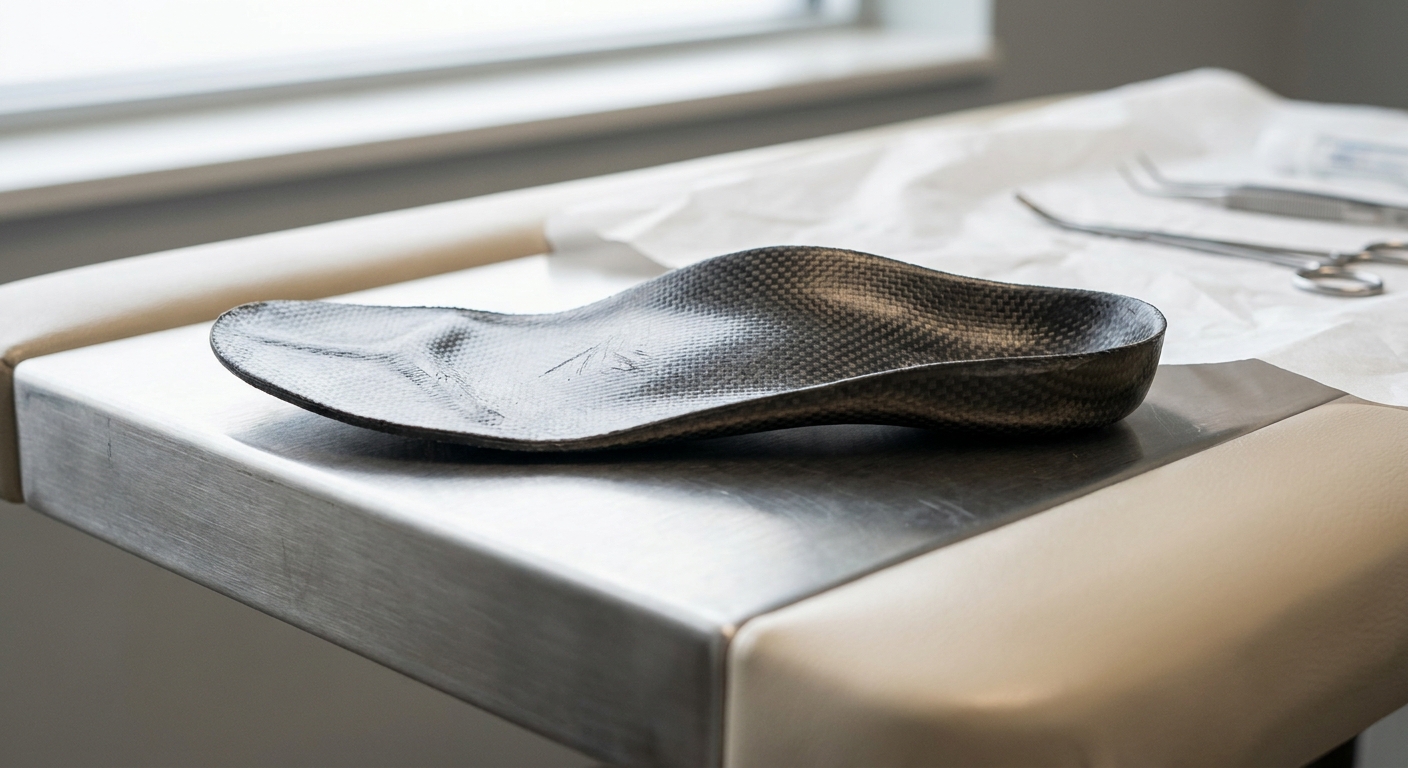
Rigid custom orthotics are typically crafted from robust materials like carbon fiber, graphite, or high-density hard plastics. These materials are chosen for their incredible durability and their ability to maintain their shape under the immense force of your body weight. Because they do not compress, they offer a consistent, highly controlled surface that dictates exactly how your foot moves during the gait cycle.
Treating Severe Overpronation and Flat Feet
If you suffer from severe overpronation—where your ankle rolls inward excessively—or flexible flat feet, rigid orthotics are often the most effective intervention. By providing maximum support and motion control, these hard inserts prevent the arch from collapsing mid-stride. This structural reinforcement helps align the foot and ankle, which in turn reduces the strain on the plantar fascia and the Achilles tendon.
Pros and Cons of Hard Orthotics
The primary advantage of rigid orthotics is their longevity; they can last for years without losing their structural integrity. They also fit easily into most standard shoes because they do not rely on the shoe’s sole for support. However, the downside is the break-in period. Hard orthotics can feel unnatural or stiff at first, requiring a gradual wearing-in process as your body adapts to the new, corrected alignment.
Soft Custom Orthotics: Cushioning and Pressure Relief
The Role of EVA and High-Density Foams
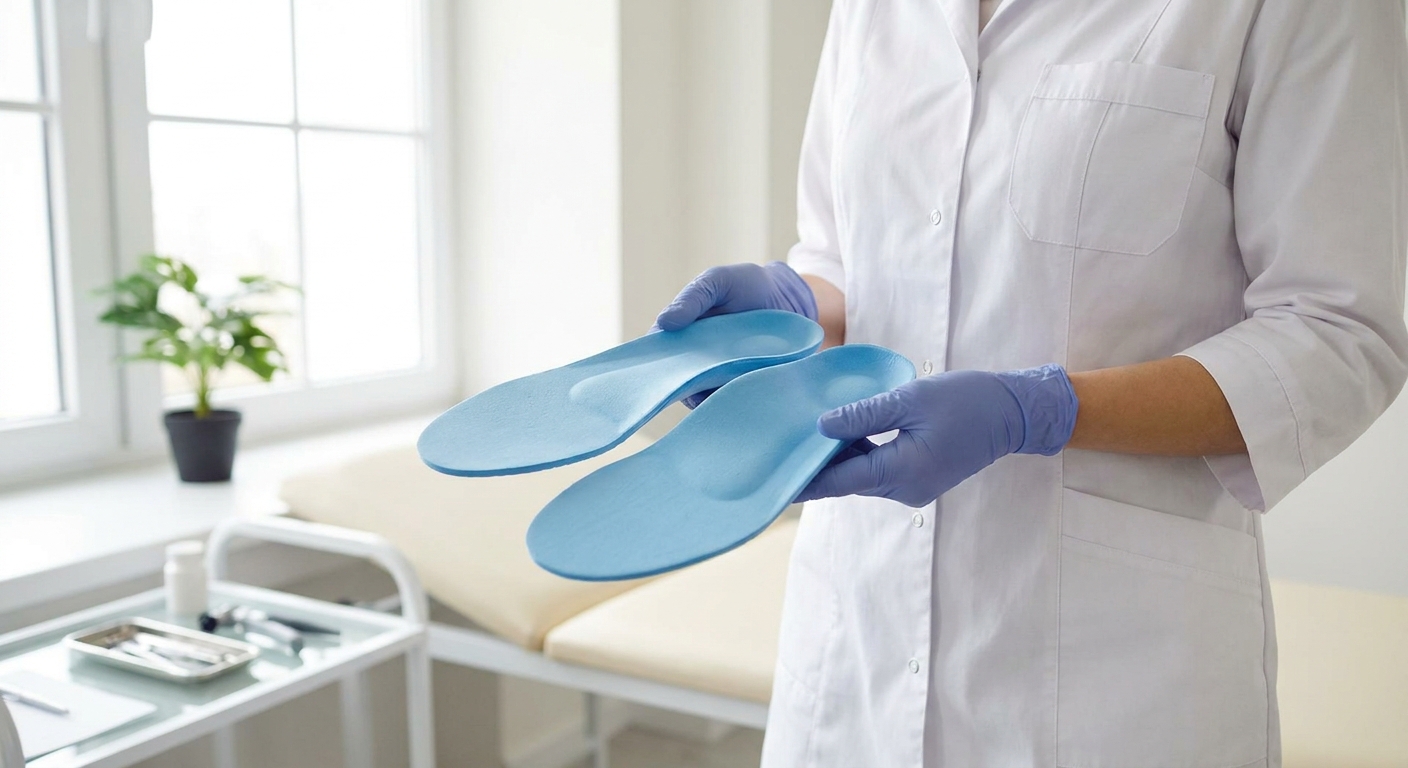
Soft custom orthotics are fabricated using compressible, shock-absorbing materials, most commonly EVA (ethylene-vinyl acetate) and specialized high-density foams. These accommodative materials are designed to bend and flex with your foot. Rather than forcing the foot into a rigid posture, soft orthotics create a cushioned barrier that absorbs the heavy impact of walking on hard surfaces.
Protecting Sensitive Feet: Diabetes, Arthritis, and Fat-Pad Loss
Soft materials are medically necessary for patients with highly sensitive or at-risk feet. Individuals with diabetes, rheumatoid arthritis, or age-related fat-pad atrophy require maximum pressure relief to prevent ulcers, blisters, and joint pain. Soft custom orthotics gently offload high-pressure hot spots, such as prominent metatarsal bones or painful calluses, providing a safe, forgiving environment inside the shoe.
Limitations of Accommodative Materials
While soft orthotics excel at comfort, they have distinct limitations. Because the materials are designed to compress, they break down faster than rigid plastics and require more frequent replacement. Additionally, to provide adequate cushioning, soft orthotics tend to be bulkier, which means they often require deep, roomy footwear like athletic sneakers or specialized orthopedic shoes to fit properly.
The Middle Ground: Semi-Rigid and Hybrid Orthotics
Balancing Firm Structural Support with Shock Absorption
For many patients, the ideal solution lies in the middle. Semi-rigid or hybrid orthotics combine the best of both worlds. They typically feature a firm, supportive base layer made of flexible plastic or composite material, topped with a soft, shock-absorbing layer of EVA foam or gel. This layered construction provides the necessary structural support to correct biomechanical faults while offering enough surface cushioning to remain highly comfortable during long periods of standing or walking.
Who Benefits Most from Hybrid Orthotic Materials
Hybrid orthotics are incredibly versatile and are often the go-to choice for active individuals, athletes, and workers who spend all day on their feet. If you suffer from plantar fasciitis but find hard plastics too uncomfortable, a semi-rigid device provides the arch support you need without the harsh rigidity. They are particularly effective for high-impact sports, where both motion control and shock absorption are critical to preventing injury.
Dress Orthotics: Slim Profiles for Professional Footwear
Adapting Materials for Narrow and Formal Shoes
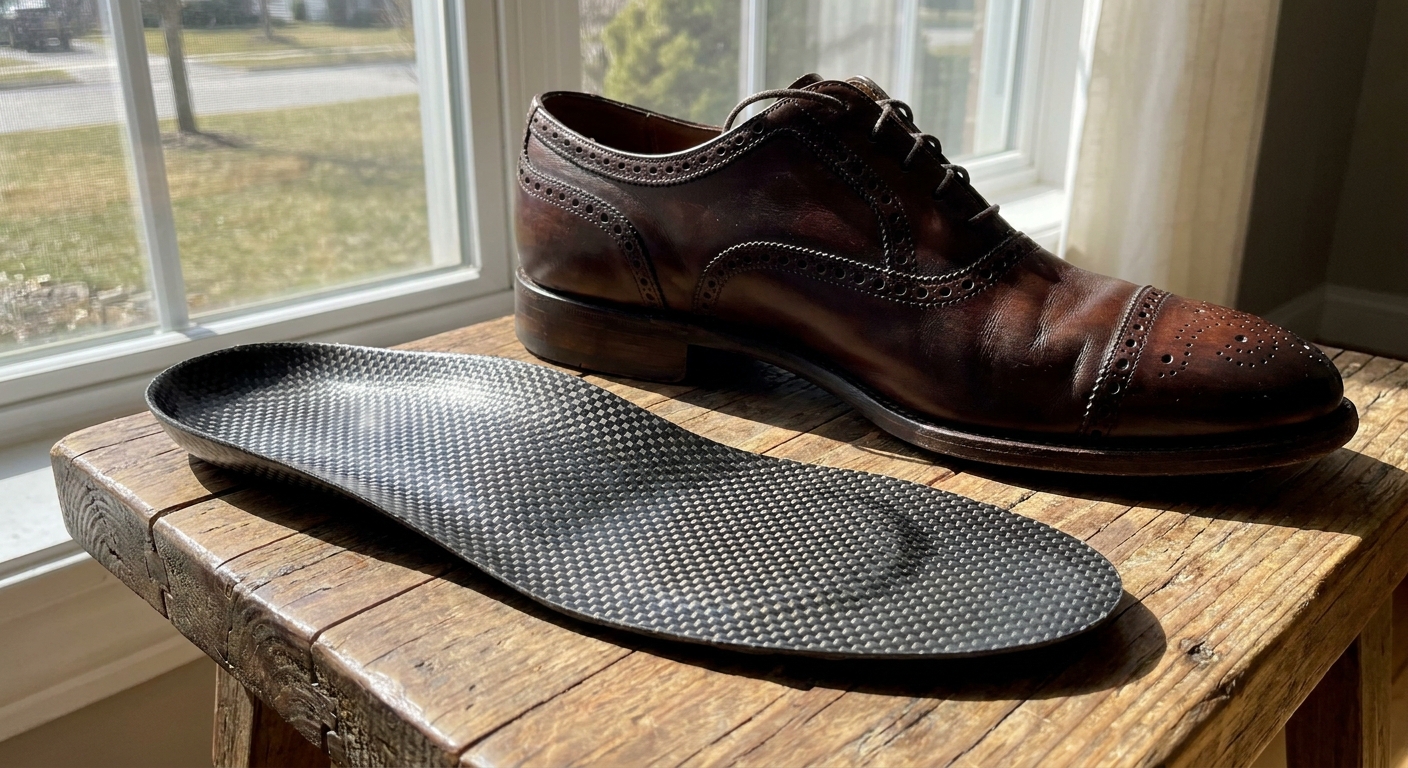
One of the most common frustrations patients face is trying to fit bulky orthotics into narrow, low-profile dress shoes. Dress orthotics solve this problem by utilizing incredibly strong, ultra-thin materials like specialized carbon fiber composites. These devices are custom-cut to have a slim profile, allowing them to slide seamlessly into men’s brogues, women’s dress flats, or formal boots without crowding the toes or pushing the heel out of the shoe.
Getting Proper Support Without the Bulk
Despite their minimal size, dress orthotics deliver real functional support. Because the materials used have a high strength-to-weight ratio, they can control foot motion and support the arch effectively without relying on thick layers of foam. This ensures that professionals and office workers do not have to sacrifice their foot health to adhere to a formal workplace dress code.
What the Science Says: Does Material Dictate Motion Control?
Insights from Recent Biomechanical Research
For decades, the standard clinical belief was that only rigid materials could effectively control abnormal foot motion. However, modern science has challenged this assumption. Recent biomechanical research, including advanced studies using biplane fluoroscopy to track real-time foot movement inside shoes, has revealed that both soft and rigid orthotics can control arch motion equally well. The material itself does not entirely dictate the level of motion control; rather, the precise custom contouring of the device to the patient’s foot is what yields clinical results.
Why Patient Comfort is a Primary Clinical Outcome
Because science shows that various materials can achieve similar biomechanical control, patient comfort has emerged as a primary clinical outcome. An orthotic can only be effective if you actually wear it. If a rigid device causes pain, it will likely end up sitting in a closet. This is why we prioritize finding the exact material that feels right for your body, ensuring that you can move more and hurt less.
Key Factors to Consider When Choosing Your Orthotic Material
Evaluating Daily Activity Levels and Body Weight
Selecting the right material requires a holistic look at your lifestyle. We evaluate your daily activity levels, the physical demands of your job, and your body weight. Heavier individuals or those engaging in high-impact activities may require denser, more resilient materials to prevent the orthotic from bottoming out. Conversely, a lighter individual seeking relief during casual walks may thrive with a softer, highly flexible foam.
Matching the Material to Your Specific Foot Diagnosis
With fifteen years of clinical practice and a track record of helping over five hundred local athletes return to their sport after an injury, we know that generic advice simply does not work. We believe in treating the root cause of pain rather than just the symptoms. Whether you are dealing with chronic back pain or stubborn plantar fasciitis, we match the orthotic material precisely to your specific diagnosis to ensure true, lasting recovery.
Scheduling Your Expert Custom Orthotic Assessment
The Importance of Professional Gait Analysis
We understand that visiting a new clinic can come with uncertainties, especially if you have experienced temporary relief rather than a true fix at other clinics in the past. We reassure our patients by focusing on evidence-based, hands-on therapy—we never just hook you up to machines and walk away. Our staff maintains a pristine clinic environment, strictly sanitizing treatment tables between appointments and ensuring the absolute cleanliness of our gym equipment. When you arrive, you will experience the professionalism of our front desk staff, who greet everyone by name, and you can trust that we will explain your diagnosis in plain language.
Taking the Next Step Toward Healthier Feet
Your patient care journey with us follows a clear, structured path so you know exactly what to expect. It begins with an initial comprehensive postural assessment, followed by the creation of a personalized treatment plan. From there, you will engage in active physiotherapy or chiropractic adjustment sessions, concluding with a take-home kinesiology exercise program for long-term maintenance. While our clinic has proudly performed over ten thousand spinal adjustments, we recognize that total body alignment often starts at the feet.
We do our best to see patients on time and treat everyone like family. Schedule your initial consultation today to take the first step toward a pain-free life, enjoying our flexible scheduling designed to accommodate your busy lifestyle.