

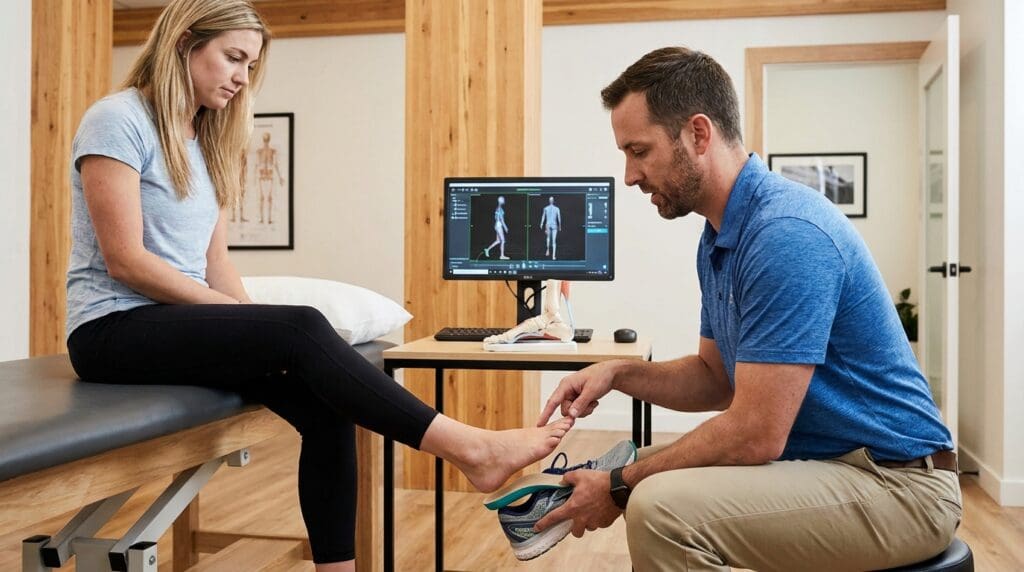
Every step you take shouldn’t feel like you are walking on a sharp marble. Yet, for those suffering from Morton’s Neuroma, an inflamed plantar digital nerve, this burning, stabbing sensation is a daily reality that makes even basic activities incredibly difficult. This guide is about addressing the mechanical root of this nerve compression rather than simply masking the discomfort with temporary fixes.
By realigning the bones of the foot and providing targeted structural support, conservative treatments can successfully decompress the affected nerve. We believe in treating the root cause of pain, allowing you to walk, run, and stand without the constant fear of a sudden, shooting ache in your toes.
Understanding Morton’s Neuroma: The Root of Your Forefoot Pain
The Pebble in the Shoe Sensation
The most classic hallmark of this condition is the persistent feeling that a small rock or bunched-up sock is trapped under the ball of your foot. This occurs when the tissue surrounding a nerve leading to your toes thickens, creating a benign but highly sensitive mass. Over our fifteen years of clinical practice, we have listened to countless patients describe this exact frustration, often arriving with emotional baggage after their pain was minimized or dismissed by previous healthcare providers. We always take the time to validate your experience and explain your diagnosis in plain language.
Identifying Sharp Forefoot Pain and Numbness
Beyond the sensation of a foreign object, the condition frequently causes shooting, stabbing, or burning pain that radiates between the third and fourth toes. Many individuals also experience tingling or complete numbness in the affected area. If you have been struggling to get clear answers, our team is dedicated to providing compassionate communication during every visit, ensuring you fully understand how nerve irritation translates into these debilitating symptoms.
Common Triggers: Why Nerve Compression Happens
Biomechanical Factors and Foot Structure
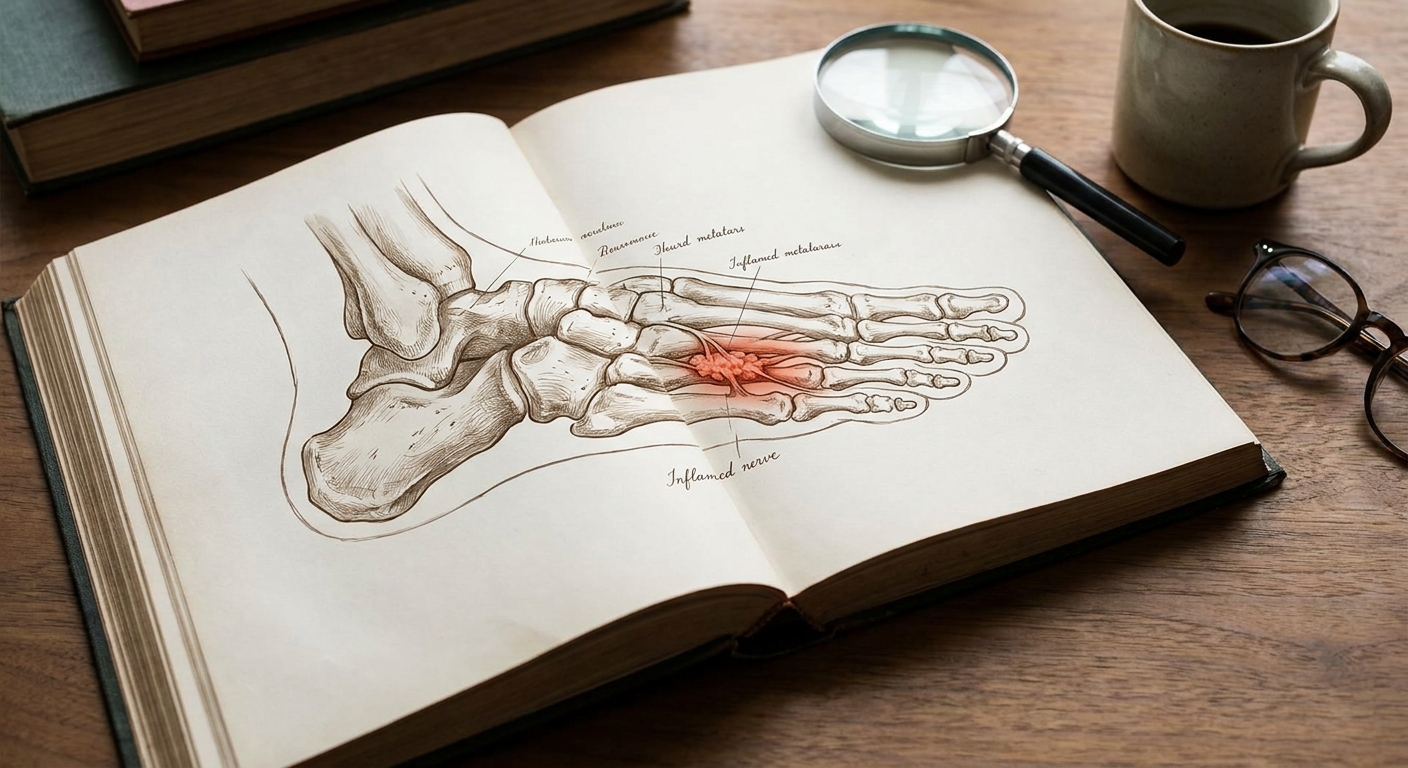
Underlying structural issues are often the primary culprits behind nerve compression. Conditions such as flat feet, high arches, bunions, and hammertoes alter the natural distribution of your body weight. This uneven pressure forces the metatarsal bones to squeeze the digital nerve.
The Impact of Repetitive Stress on the Forefoot
Activities that place repetitive, high-impact stress on the balls of the feet significantly increase the risk of nerve irritation. Distance running, dancing, and occupations requiring prolonged standing subject the forefoot to constant trauma. We have proudly helped over five hundred local athletes return to their sport after an injury by directly addressing these repetitive stress factors and correcting their biomechanics for long-term resilience.
How Custom Orthotics Relieve Morton’s Neuroma Symptoms
The Role of Metatarsal Pads in Nerve Decompression
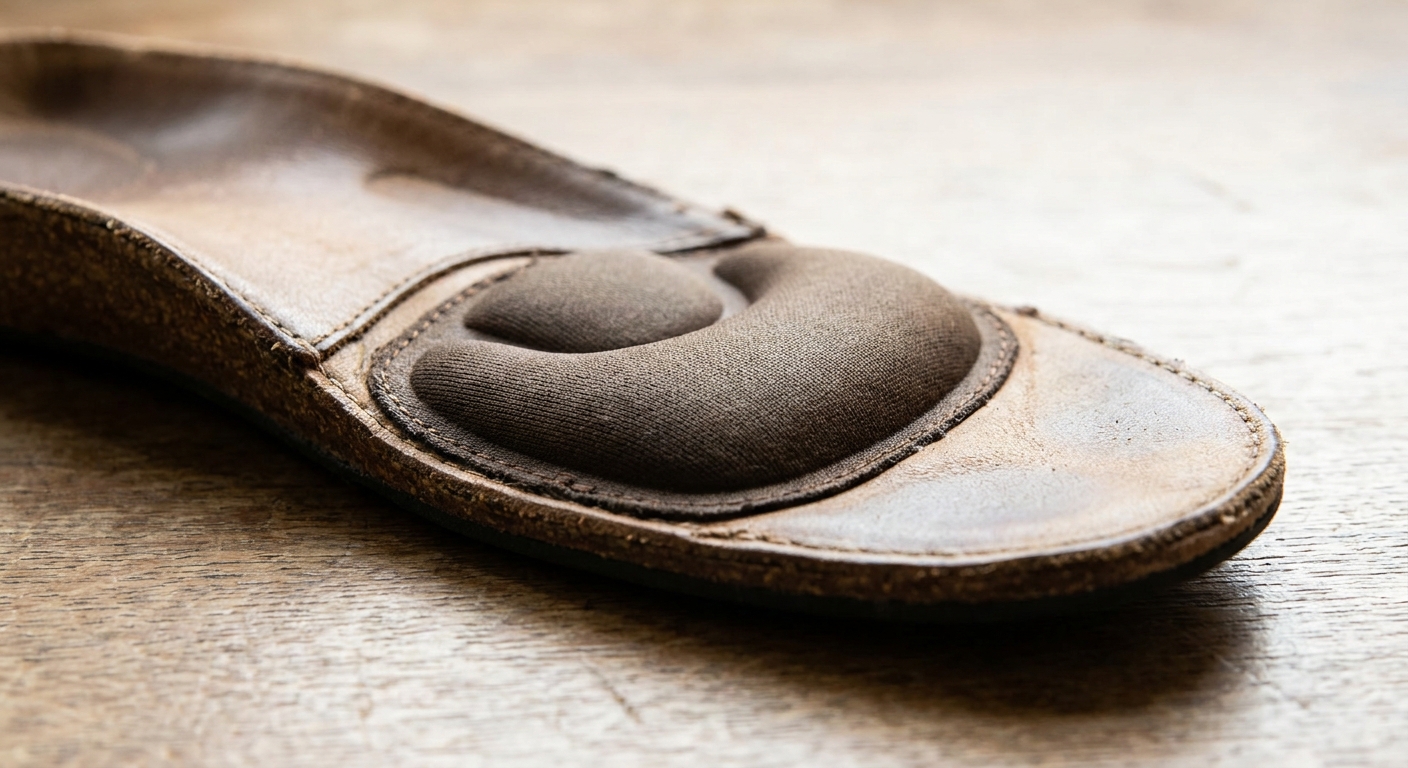
When it comes to managing morton’s neuroma, the inclusion of a specialized metatarsal pad is crucial. This precise elevation sits just behind the ball of the foot, gently spreading the metatarsal heads apart. By widening the space between the bones, the orthotic immediately reduces the mechanical squeezing of the inflamed nerve. We reassure patients who are skeptical about the effectiveness of conservative care that this targeted decompression offers profound, evidence-based relief.
Correcting Arch Support to Reduce Mechanical Load
Proper arch support plays an equally important role by distributing your body weight evenly across the entire foot, rather than allowing it to concentrate on the sensitive forefoot. Having performed over ten thousand successful spinal and extremity adjustments, we understand how vital proper alignment is to the entire kinetic chain. By supporting the arch, custom orthotics prevent the foot from collapsing inward, thereby reducing the mechanical load that aggravates the neuroma.
Pairing Custom Orthotics with the Right Footwear
The Importance of a Wide Toe Box
Even the best orthotics cannot perform effectively if they are jammed into restrictive footwear. Shoes with a wide toe box allow your toes to splay naturally when you bear weight, preventing the bones from compressing the nerve. During your visits, we provide detailed guidance on footwear selection.
Why to Avoid High Heels and Tapered Shoes
High heels force your body weight forward, dramatically increasing the pressure on the ball of the foot, while tapered shoes physically crush the toes together. This combination is a perfect storm for nerve inflammation. Transitioning to supportive, low-heeled shoes is a necessary step in your recovery journey, working hand-in-hand with your orthotic devices to maintain a decompressed nerve environment.
Complementary Foot Exercises and Physical Therapy
Stretching Techniques to Relieve Forefoot Tension
Tightness in the plantar fascia and calf muscles can exacerbate forefoot pressure. Incorporating targeted stretches, such as manual toe pulls and wall stretches, helps lengthen this connective tissue.
Strengthening Exercises for Better Structural Support
Building strength in the intrinsic muscles of the foot provides natural structural support that complements your orthotics. Exercises like towel scrunches and toe splays improve local muscle endurance.
Advanced Medical Interventions for Severe Forefoot Pain
Corticosteroid Injections for Inflammation Control
When conservative measures require additional support, corticosteroid injections may be utilized to rapidly reduce severe inflammation around the nerve. These injections are often guided by ultrasound to ensure precise delivery. While we focus heavily on non-invasive rehabilitation, maintaining a ninety-eight percent patient satisfaction rate means we always provide comprehensive education on all available medical options so you can make informed decisions about your health.
When to Consider Surgical Nerve Decompression
For chronic cases that do not respond to orthotics, footwear modifications, or physical therapy, surgical intervention may be necessary. Procedures such as a neurectomy involve removing the affected nerve tissue, while decompression surgery focuses on releasing tight ligaments. We ensure that if your condition requires surgical consultation, you are fully supported and informed every step of the way.
Professional Morton’s Neuroma Management and Next Steps
Getting an Accurate Diagnosis from a Foot Specialist
Proper management begins with absolute certainty about your condition. A thorough physical exam and clinical history are required to rule out other conditions like metatarsalgia or stress fractures, ensuring your treatment is perfectly targeted to your specific nerve compression.
Your Path to Personalized Orthotic Treatment
We want you to know exactly what to expect from your first visit to your full recovery. Our patient care journey follows four clear steps:
- Initial Comprehensive Postural Assessment: We analyze your gait, foot mechanics, and overall alignment.
- Personalized Treatment Plan Creation: We design a strategy tailored to your specific biomechanical needs.
- Active Therapy Sessions: You receive hands-on manual therapy and custom orthotic fittings.
- Take-Home Kinesiology Exercise Program: We equip you with the tools for long-term maintenance and pain prevention.
We respect your time. We guarantee that patients are seen on time and never feel rushed during their appointments. Schedule your initial consultation today to take the first step toward a pain-free life. We offer flexible scheduling and prepare all the information you need to send your claim to your insurance company.
We look forward to meeting you soon!