

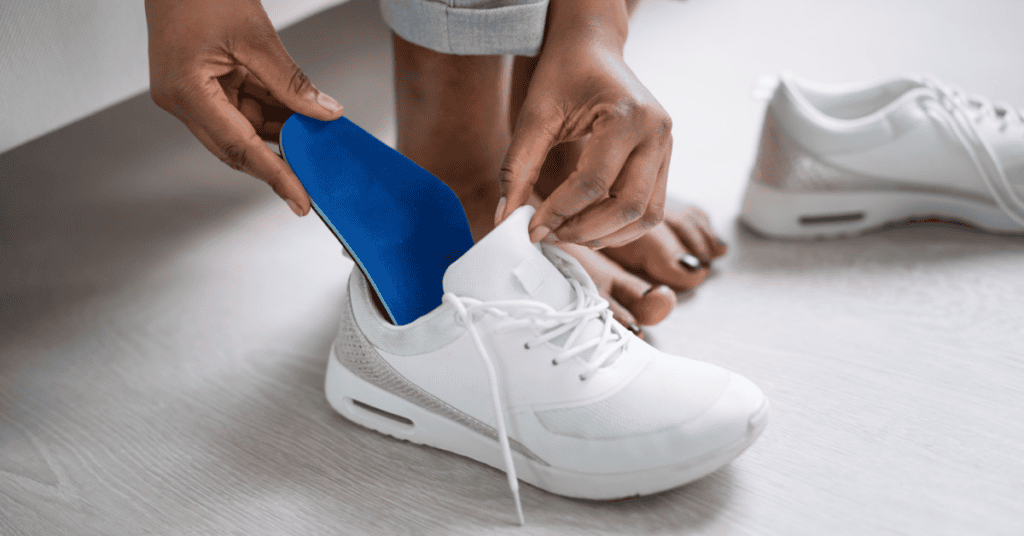
Patients often ask us, “How long do custom orthotics last?” On average, prescription orthotics last between one and five years, depending on the materials used, your daily activity level, and changes in your body mechanics. Unlike over-the-counter insoles that wear out in a few months, medical-grade inserts are designed to withstand significant daily force while maintaining your structural alignment.
Recognizing when your insoles are past their prime is essential for preventing the recurrence of plantar fasciitis, knee strain, or lower back discomfort. Over our fifteen years of clinical practice, we have seen firsthand how wearing expired orthotics can undo months of progress. If you are experiencing new aches, noticing visible cracks in the shell, or seeing uneven tread wear on your shoes, your body is likely signaling that your current prescription is no longer providing the support you need.
How Long Do Custom Orthotics Typically Last?
The Average Lifespan of Prescription Inserts
Typically, custom orthotics provide reliable structural support for one to five years. This timeline is a general baseline, as the exact longevity heavily depends on how frequently they are worn and the physical demands placed upon them. In our experience performing over ten thousand spinal and extremity adjustments, we consistently observe that patients who wear their orthotics all day, every day, will naturally wear them down faster than those who only use them for specific activities.
How Material Types Dictate Durability
The materials chosen during your initial comprehensive postural assessment play a massive role in how long your inserts survive. Functional orthotics crafted from rigid or semi-rigid materials, such as carbon fiber or graphite, are highly durable and often last on the longer end of the spectrum. Conversely, accommodative orthotics made from softer materials like EVA foam or silicone—designed primarily for cushioning and treating conditions like diabetic foot ulcers—compress more easily and may require replacement every one to two years.
Key Factors That Affect the Lifespan of Your Orthotics
Frequency of Daily Use
Just like a favorite pair of shoes, the more miles you put on your orthotics, the faster they will deteriorate. Patients who work on their feet for eight to ten hours a day will naturally compress the supportive layers more rapidly than those with sedentary desk jobs. We always remind our patients that daily wear is highly encouraged to maintain proper alignment, but it does mean you should monitor the devices closely for signs of fatigue.
Impact of Sports and High-Intensity Activities
High-impact activities like running, jumping, and court sports generate immense ground reaction forces that accelerate the wear and tear on your insoles. Having helped over five hundred athletes return to their sport after an injury, our lead practitioner—who holds specialized training in sports rehabilitation—knows that athletic orthotics take a severe beating. If you are a runner or a heavy lifter, the repetitive shock absorption required will inevitably shorten the lifespan of the device compared to casual walking.
Top Signs It’s Time to Replace Your Custom Orthotics
The Return of Foot, Knee, or Back Pain
The most glaring indicator that your inserts are failing is the return of the very discomfort they were designed to fix. If you start experiencing old familiar aches in your arches, heels, knees, or lower back, your orthotics may have lost their structural integrity. We believe in treating the root cause of pain rather than just the symptoms; if your foundation is compromised by a worn-out insert, your biomechanics will suffer, leading to renewed joint stress.
Visible Cracks, Compression, and Surface Wear
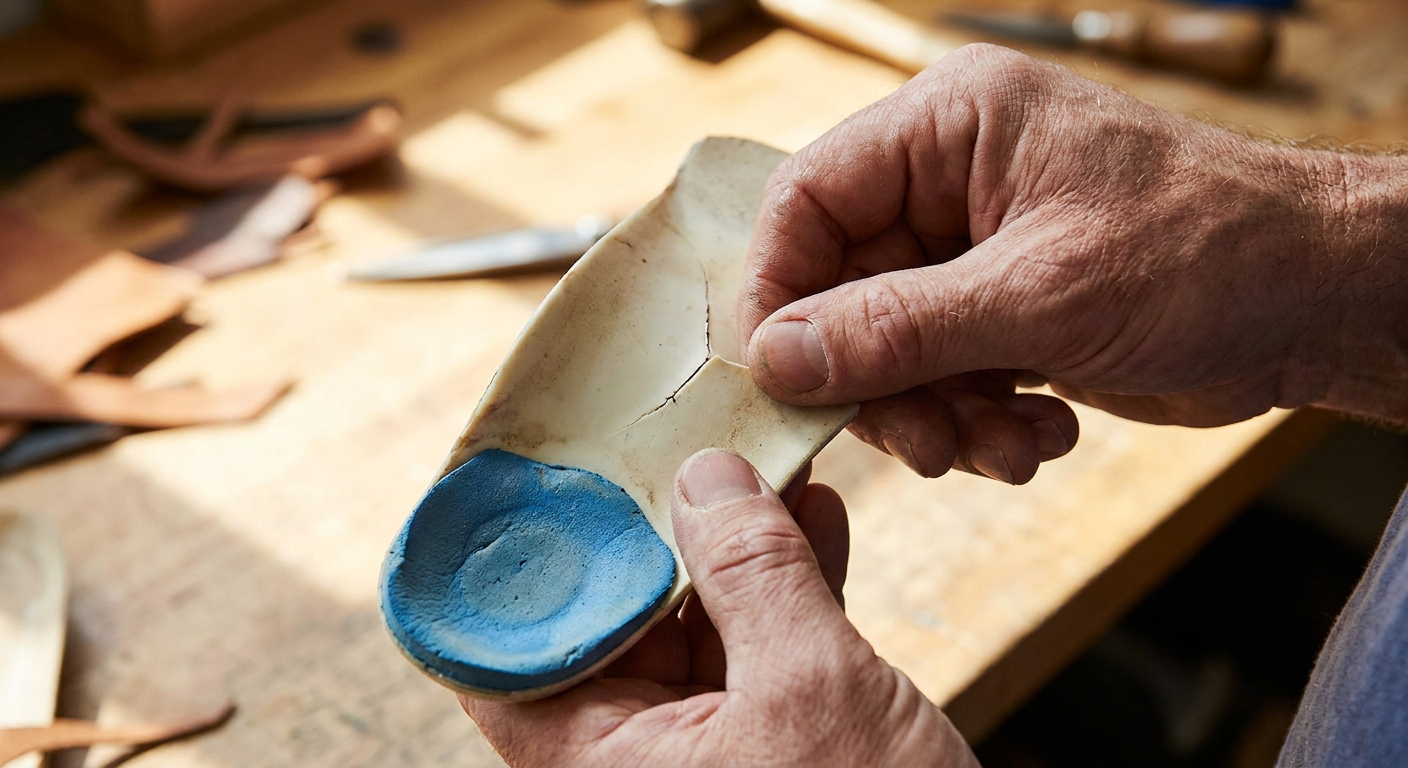
Physical degradation is a clear-cut sign that a replacement is imminent. Take your orthotics out of your shoes and inspect them in good lighting. Look for visible cracks in the rigid plastic shell, pieces that have chipped off, or top covers that have worn entirely through to the base. Significant thinning or flat spots in the cushioning also indicate that the materials can no longer absorb shock effectively.
New Calluses and Uneven Shoe Wear
When your feet are properly supported, your body weight is distributed evenly. If you suddenly develop new calluses or corns, it means friction and abnormal pressure points have returned. Additionally, inspect the bottom treads of your everyday shoes. Heavy, asymmetrical wear on one side of the heel or sole strongly suggests that your orthotics are no longer keeping your feet in a neutral, aligned position.
How Life and Body Changes Impact Your Orthotics Prescription
Weight Fluctuations and Pregnancy
Your custom orthotics were engineered for the specific body mass you had at the time of your fitting. Significant weight gain, weight loss, or pregnancy can drastically alter the amount of force applied to your feet. Extra weight causes the arches to flatten more under pressure, which can render your old prescription inadequate. A new personalized treatment plan is often required to accommodate these physical changes.
Aging, Surgeries, and Shifting Foot Biomechanics
As we age, the ligaments in our feet naturally stretch, and the fat pads on our heels thin out. Furthermore, undergoing knee, hip, or back surgery will fundamentally change your walking gait. If you have experienced any of these major life events, the original mold of your foot is likely obsolete. Our team regularly updates prescriptions to ensure that the orthotics match the patient’s current biomechanical reality, utilizing hands-on therapy and advanced kinesiology techniques to assess these shifts accurately.
Repair vs. Replacement: Can Your Orthotics Be Adjusted?
Refurbishing Top Covers and Minor Adjustments
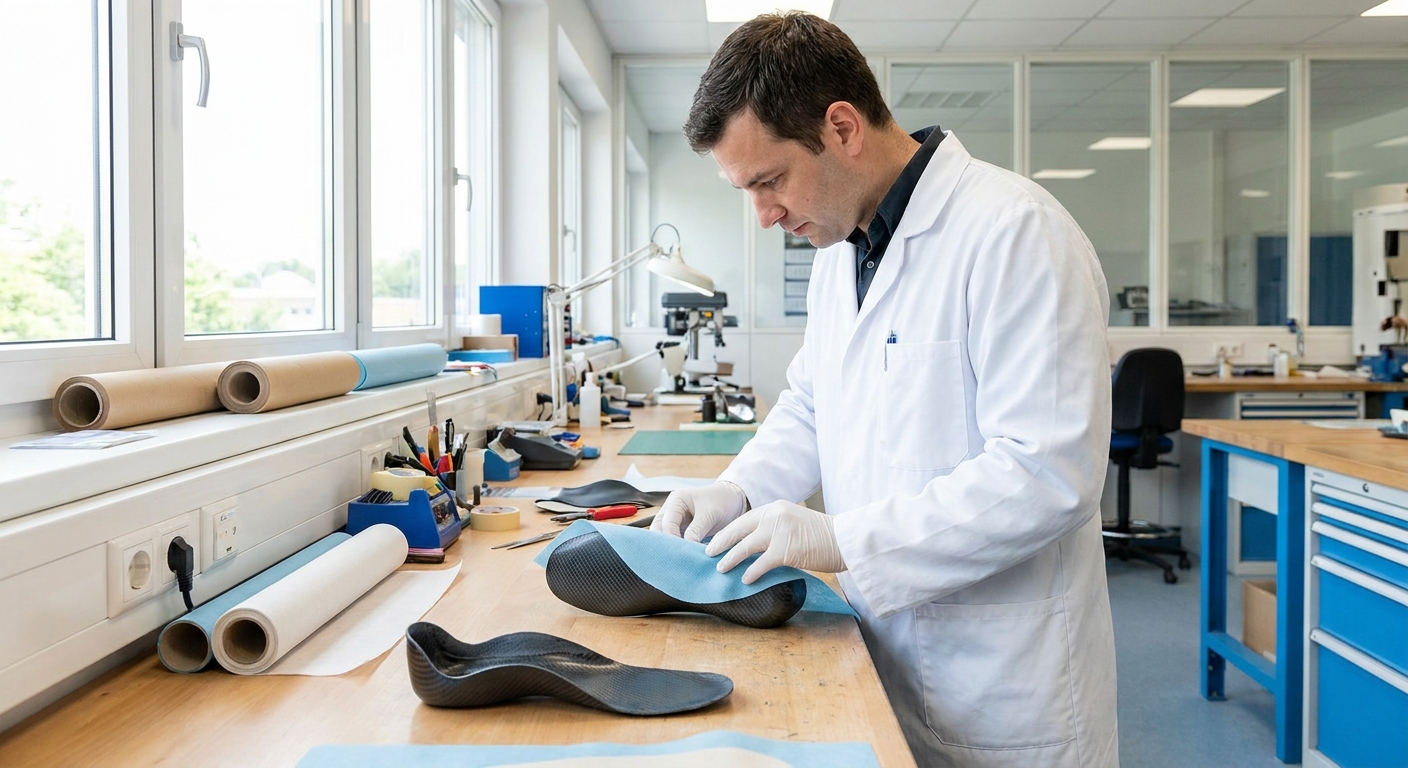
Not every sign of wear means you need to throw the entire device away. If the rigid structural shell of your carbon fiber or plastic orthotic is still completely intact and supportive, we can often perform a refurbishment. This process involves stripping away the old, compressed top covers and replacing them with fresh cushioning. Minor adjustments can also be made to the posting to fine-tune your alignment without starting from scratch.
When a Complete Replacement is the Only Option
If the hard shell is cracked, permanently warped, or if your foot structure has fundamentally changed due to surgery or aging, a complete replacement is mandatory. Attempting to repair a structurally compromised shell will only provide temporary relief and fails to address the root cause of your biomechanical instability. In these cases, a new physical mold or digital scan is necessary to capture your current foot mechanics.
Pro Tips to Extend the Durability of Your Custom Insoles
Proper Cleaning and Air-Drying Techniques
Maintaining a pristine environment for your orthotics extends their life significantly. Gently wipe them down with a damp cloth and mild soap to remove sweat and debris. Never put them in a washing machine or a hot dryer, as extreme heat will warp the custom-molded plastics and degrade the adhesives. Always let them air-dry completely outside of your shoes before wearing them again.
The Benefits of Rotating Multiple Pairs
Just as we ensure our treatment tables are sanitized and our gym equipment is perfectly maintained between appointments, giving your orthotics a rest period is vital for their longevity. If possible, rotating between two pairs of custom inserts allows the foam materials time to decompress and dry out entirely between uses. Having a dedicated pair for your athletic shoes and another for your everyday work footwear reduces the daily strain on a single set.
Schedule Your Custom Orthotics Evaluation Today
If you are experiencing a resurgence of foot pain or simply cannot remember the last time your inserts were checked, it is time for a professional review. Our clinic is built on a foundation of evidence-based treatments and compassionate communication, ensuring you understand every step of your diagnosis in plain language. We know that past healthcare experiences can be frustrating, which is why we guarantee our patients are seen on time, never rushed, and provided with clear, actionable timelines for recovery.
From the moment our friendly front desk receptionist greets you by name, to your sessions with our registered massage therapists and chirorpactor, you will feel safe, heard, and completely comfortable. We address common fears—whether it is anxiety about physical closeness during kinesiology assessments or worries about deep tissue work—by explaining everything before we begin. Whether you need a simple refurbishment or a brand-new take-home kinesiology exercise program alongside your new orthotics, we are here to support your journey. Schedule your initial consultation today to take the first step toward a pain-free life, enjoying flexible scheduling that respects your busy calendar.