

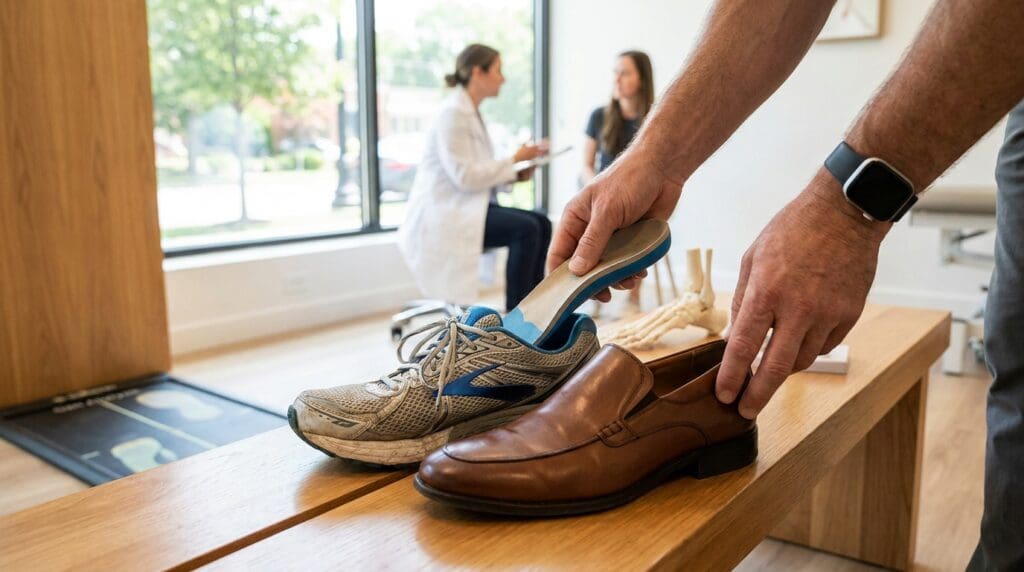
One of the most common questions we hear from patients after they receive their new supportive inserts is whether they can easily swap them between different pairs of shoes. The reality is that while these devices are highly versatile, they are not universally compatible with every shoe in your closet. Moving an insert from a supportive running shoe to a shallow dress shoe can completely alter its biomechanical effectiveness and lead to renewed discomfort. If you are asking, can you transfer custom orthotics between different shoes? This guide is essential to understanding how the structure of your shoes impacts your overall foot health.
To get the maximum benefit from your supportive devices, the shoe itself must act as a proper foundation. When the shoe and the insert work together seamlessly, they maintain your body’s natural alignment and prevent the recurrence of pain. Understanding which features make a shoe compatible—and which styles to avoid—will help you make informed decisions when shopping for new footwear and keep your recovery on track.
Can You Transfer Custom Orthotics Between Shoes? The Short Answer
The short answer is yes, you generally can transfer your inserts between shoes, provided the footwear belongs to a similar style and possesses a comparable interior volume. For instance, a device designed for a daily walking sneaker will typically fit exceptionally well inside a hiking boot or a supportive athletic trainer. Over our fifteen years of clinical practice, we have observed that matching the shoe’s foundation to the original design of the insert is the most critical factor for success.
However, problems arise when attempting to move that same athletic insert into a fundamentally different type of footwear. A shoe with a narrower toe box, a lower profile, or a different heel pitch will change how the device sits against your foot. If the foundation is unstable or the fit is too tight, the corrective benefits are compromised.
Essential Shoe Features for Orthotic Compatibility
Not all footwear is created equal when it comes to accommodating specialized inserts. To ensure your body remains properly aligned, your shoes must possess a few specific structural characteristics.
Removable Factory Insoles
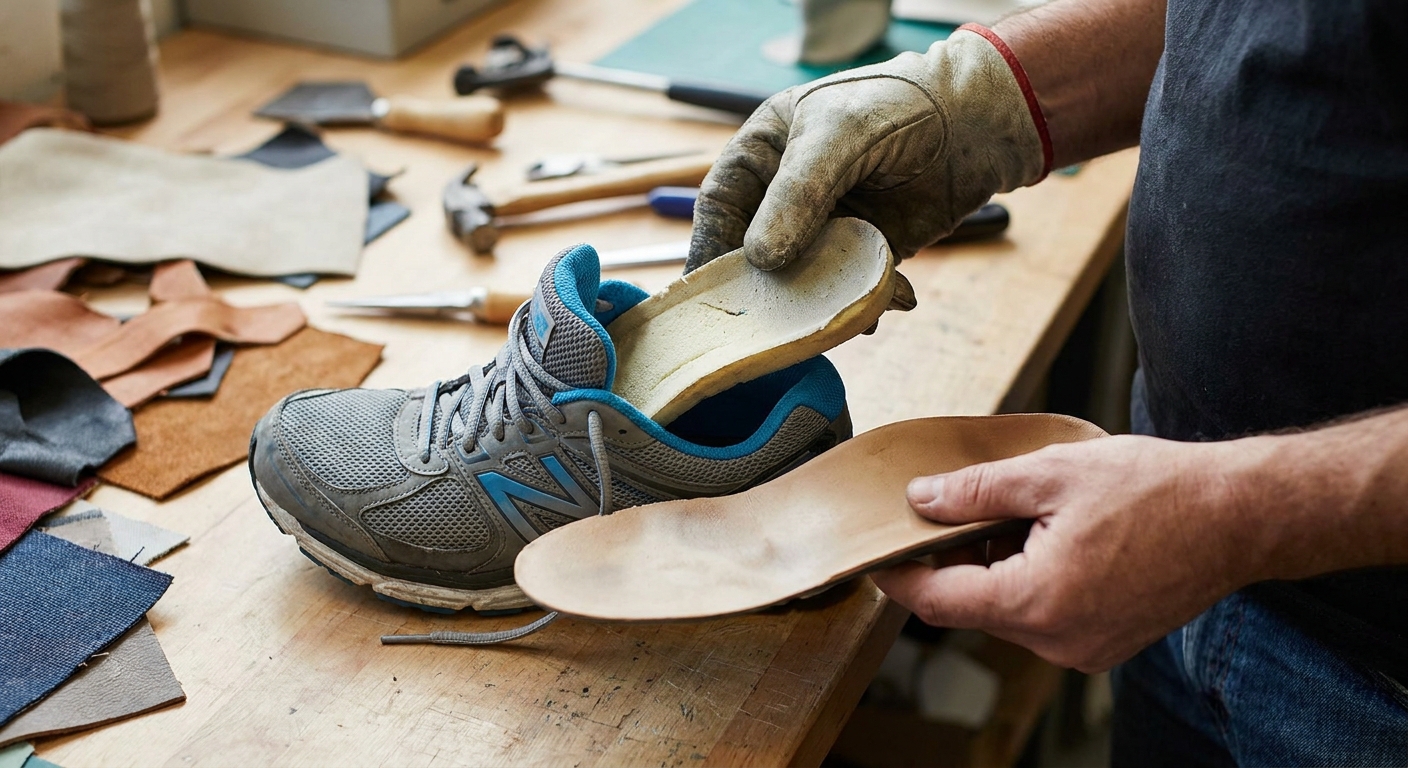
The single most important feature of a compatible shoe is a removable factory footbed. You must be able to take out the original insole before inserting your custom device. Placing an insert directly on top of an existing insole elevates your foot too high within the shoe, which can cause severe discomfort across the top of your foot and lead to heel slippage.
Adequate Interior Depth
Because custom devices are typically crafted from durable, supportive materials, they are often slightly thicker than standard factory insoles. A compatible shoe needs adequate interior depth to house the device while leaving enough room for your foot to sit comfortably. Without sufficient volume, your toes may feel cramped, and the increased pressure can cause blisters or nerve irritation.
Firm Heel Counters and a Stable Base
The heel counter is the rigid cup at the back of the shoe that holds your heel in place. A firm heel counter works in tandem with the insert to control the motion of your ankle. Furthermore, a stable, torsionally rigid base prevents the shoe from twisting during your stride. We prioritize evidence-based treatments and believe in treating the root cause of pain rather than just the symptoms; placing a highly corrective device into a flimsy, unsupportive shoe actively undermines that clinical philosophy.
Footwear to Avoid: Which Shoes Won’t Work With Standard Orthotics?
Managing your expectations regarding footwear compatibility is a vital part of your treatment journey. Certain shoe styles simply lack the necessary volume or structural integrity to accommodate standard supportive devices safely.
Dress Shoes and Ballet Flats
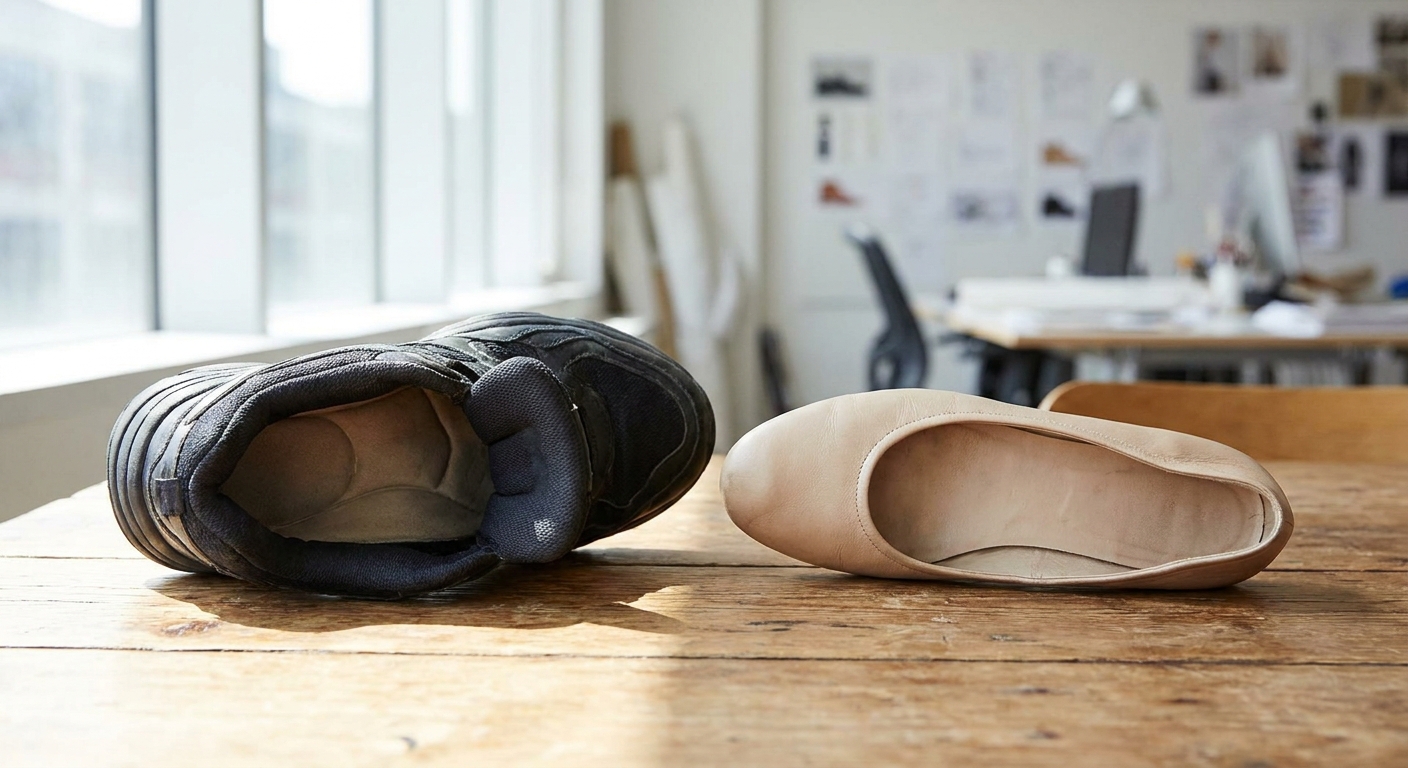
Traditional dress shoes, loafers, and ballet flats are notoriously shallow and narrow. The interior volume of these shoes is usually too restricted to fit a standard insert without painfully compressing the top of the foot. While specialized, low-profile inserts can be crafted specifically for dress shoes, a standard everyday device will rarely transfer into these styles effectively.
Sandals and Open-Toe Styles
Standard sandals and open-toe shoes lack the enclosed upper structure required to hold an insert securely in place. Without a closed heel and side panels, the device will slide around with every step, rendering it completely ineffective and potentially creating a tripping hazard.
Low-Volume Athletic Cleats
Athletic cleats designed for soccer, football, or rugby are built to fit tightly against the foot for maximum responsiveness on the field. This low-volume design leaves virtually no room for a standard insert. Having helped over five hundred local athletes return to their sport after an injury, our team understands that athletes often require a dedicated, sport-specific device designed explicitly to fit the narrow profile of a cleat.
Do You Need to Buy Bigger Shoes to Accommodate Orthotics?
A common misconception is that you must automatically buy shoes one or two sizes larger to make room for your new inserts. This is entirely false and can actually hinder your recovery. You should always purchase shoes that reflect your true foot size. Sizing up alters where the flex point of the shoe sits in relation to the ball of your foot, which can disrupt your natural gait and cause arch pain.
Instead of buying longer shoes, focus on finding footwear that offers greater interior depth and a wider toe box. When you shop for new shoes, we highly recommend taking your inserts with you. This allows you to test the depth and ensure your heel remains securely locked in place without having to compromise on the proper length of the shoe.
How to Test the Fit of Your Orthotic in a New Shoe
When you bring a new pair of shoes home, it is crucial to verify that your inserts are seated correctly.
Checking for a Flat and Level Footbed
Slide your hand into the front of the shoe and feel how the device rests on the bottom. It must lie completely flat against the base of the shoe. If the device tilts upward on the sides or wobbles when you press down on the heel, the shoe is either too narrow or the footbed is uneven. A device that does not sit level will fail to provide the intended biomechanical support.
Ensuring Proper Heel Stability
Once the device is inside, put the shoe on and lace it up securely. Walk around the room and pay close attention to your heel. Your heel should feel firmly locked into the back of the shoe. If you experience a sensation of your heel slipping out with every step, the shoe’s heel counter may be too shallow to accommodate the added height of the insert.
Watching for Material Bunching
Check the front edge of the insert to ensure it is not bunching up, wrinkling, or overlapping the sides of the shoe’s interior. Any wrinkling indicates that the shoe is too narrow or too short for the device. Over time, these bunched materials can create friction points, leading to painful blisters and calluses.
Activity-Specific Orthotics: Why One Pair May Not Cover Everything
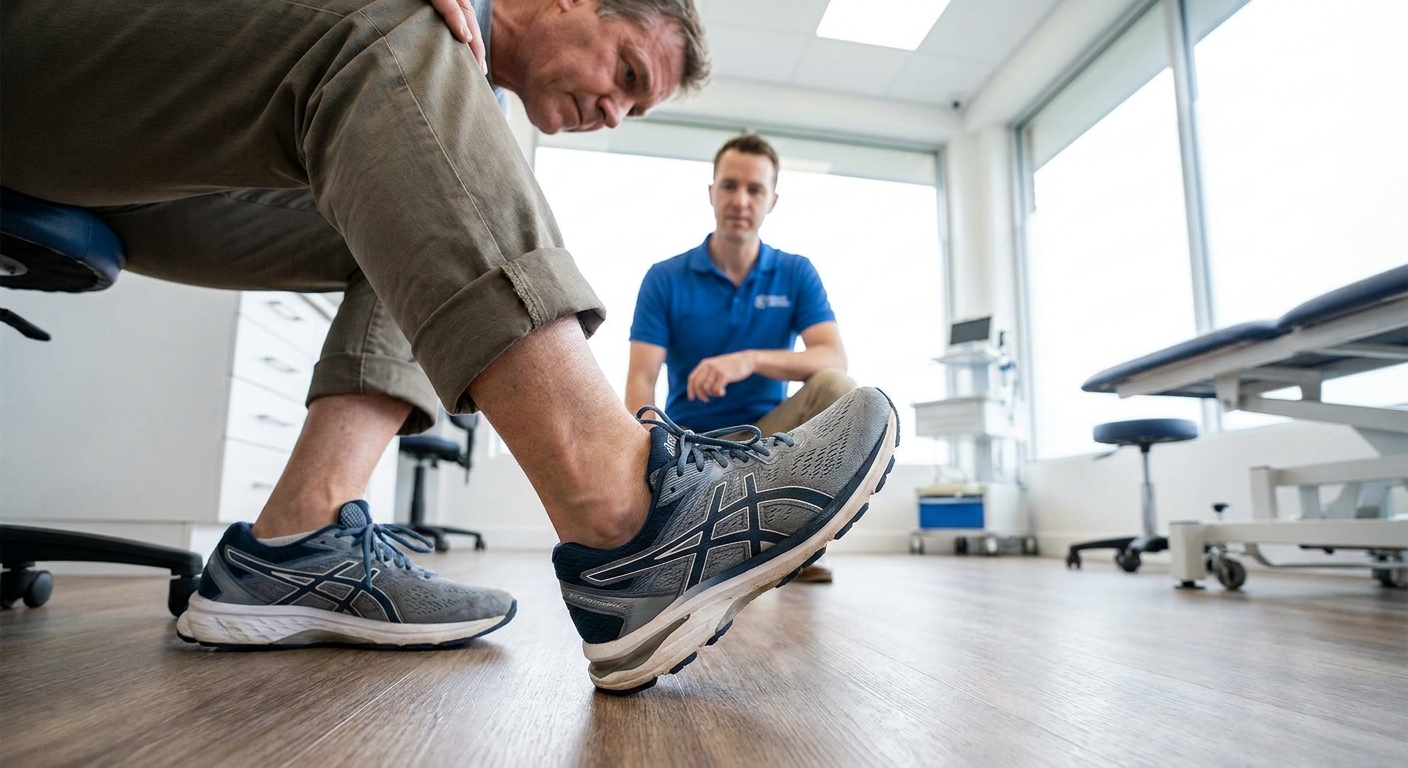
While it is incredibly convenient to use a single pair of inserts for all your daily activities, different movements place entirely different demands on your feet and joints.
Everyday Walking vs. High-Impact Sports
The forces exerted on your feet during a casual walk are vastly different from the impact generated during running, jumping, or heavy lifting. An insert designed for everyday walking focuses heavily on sustained arch support and mild cushioning. Conversely, a device crafted for high-impact sports requires advanced shock absorption materials and enhanced heel stabilization to protect your joints from repetitive stress injuries.
The Biomechanics of Different Footwear
Different shoes alter your biomechanics. A running shoe has a specific heel-to-toe drop that propels you forward, while a weightlifting shoe provides a rigid, flat base. Because the biomechanics of the footwear change based on the activity, we know that an insert must often be specifically tailored to match both the shoe’s geometry and the physical demands of the sport.
When to Consult a Professional for Footwear Adjustments

If you find that your inserts are not fitting correctly into your preferred shoes, it is always best to consult a professional. We know that many patients arrive with emotional baggage from terrible experiences with other healthcare providers—whether they felt ignored by a previous practitioner, struggled to get an email reply regarding their rehabilitation exercises, felt their pain was minimized, or complained that nobody explained their diagnosis in plain language. We are committed to compassionate communication, explaining your diagnosis clearly, and ensuring you never feel rushed during your appointments. We respect your time, which is why we eliminate the frustration of sitting in the waiting room for thirty minutes past your appointment time.
Our patient care journey is designed to support you every step of the way. From an initial comprehensive postural assessment and the creation of a personalized treatment plan, we ensure your devices are working perfectly. We have built our reputation on concrete results: over ten thousand spinal adjustments performed, fifteen years of clinical practice, a ninety-eight percent patient satisfaction rate, helping over five hundred local athletes return to their sport, designing thousands of custom rehabilitation plans, and conducting countless hours of hands-on therapy. We reassure patients who are skeptical of temporary relief by focusing exclusively on fixing the root cause with hands-on therapy rather than just hooking you up to machines.
If your footwear is causing you pain, do not wait for the problem to worsen. Schedule your initial consultation today to take the first step toward a pain-free life. We offer flexible scheduling to accommodate your busy lifestyle and are here to ensure your transition to supportive footwear is as seamless and comfortable as possible.