

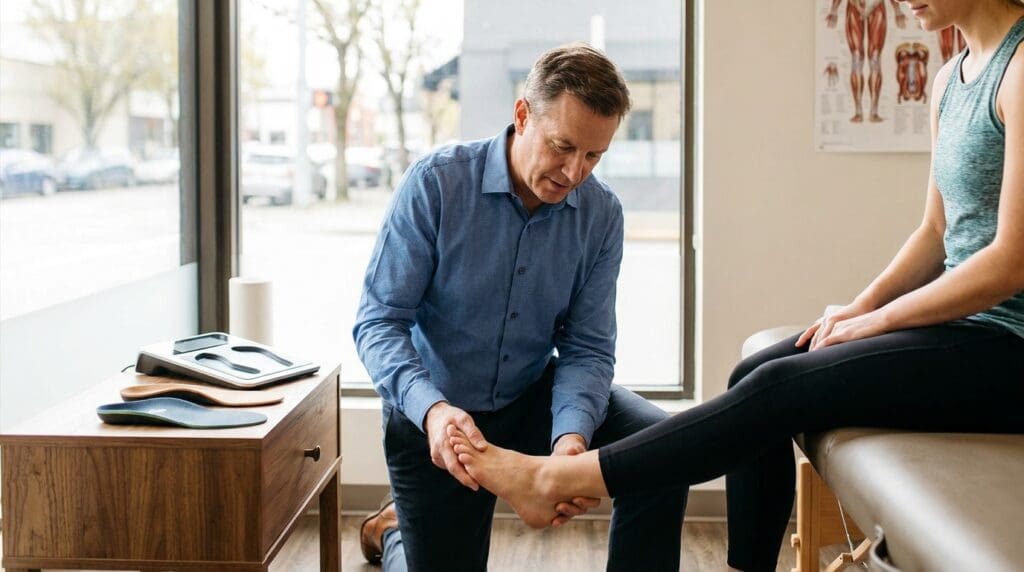
Many patients who visit us complaining of aching knees or stiff hips are surprised when we begin our examination by looking at their feet. It is a common misconception that joint discomfort is always an isolated issue. In reality, the human body operates as a complex, interconnected machine. When the foundation of your body is misaligned, the structural stress inevitably travels upward, manifesting as joint fatigue, pelvic instability, and persistent lower extremity aches.
Through our fifteen years of clinical practice, we have seen firsthand how correcting biomechanical imbalances at the ground level can transform a patient’s overall mobility. We believe in treating the root cause of pain rather than just placing a temporary fix over the symptoms. By focusing on evidence-based treatments and compassionate communication, we ensure that every patient understands exactly how their foot mechanics influence their broader joint health.
The Kinetic Chain: Understanding How Foot Mechanics Impact Your Knees and Hips
The Foot as the Body’s Foundation
Your feet serve as the base of support for your entire skeletal structure. Every step you take generates a force that must be safely absorbed and distributed. When foot mechanics are optimal, this force is managed efficiently. However, when the foundation is compromised, the kinetic chain—the interconnected system of muscles, joints, and nerves—forces the knees and hips to compensate.
How Poor Shock Absorption Travels Upward
Without proper shock absorption, the impact of walking or running does not dissipate in the foot. Instead, these harsh forces travel directly up the shin bone to the knee joint, and eventually to the hip and lower back. Over time, this repetitive micro-trauma can lead to significant discomfort. We prioritize hands-on therapy and comprehensive evaluations to identify exactly where this shock absorption is failing, ensuring our patients receive targeted, effective care rather than just being placed on a machine for temporary relief.
Common Structural Foot Issues Leading to Joint Discomfort
Flat Feet and Overpronation
One of the most frequent structural issues we encounter is flat feet, which often leads to overpronation. This occurs when the arches collapse and the ankles roll inward excessively during movement. Overpronation forces the lower leg to rotate inward, placing immense strain on the knee ligaments and altering the natural angle of the hip joint.
High Arches and Rigidity
Conversely, abnormally high arches tend to be overly rigid. A rigid foot lacks the flexibility required to absorb the impact of a heel strike. As a result, the shock wave bypasses the foot entirely, sending a jarring force straight into the knees and hips. Having performed over ten thousand spinal adjustments and lower extremity corrections, we understand precisely how these structural extremes contribute to chronic joint issues.
What Are Custom Orthotics and How Do They Correct Biomechanics?
Providing Targeted Arch Support
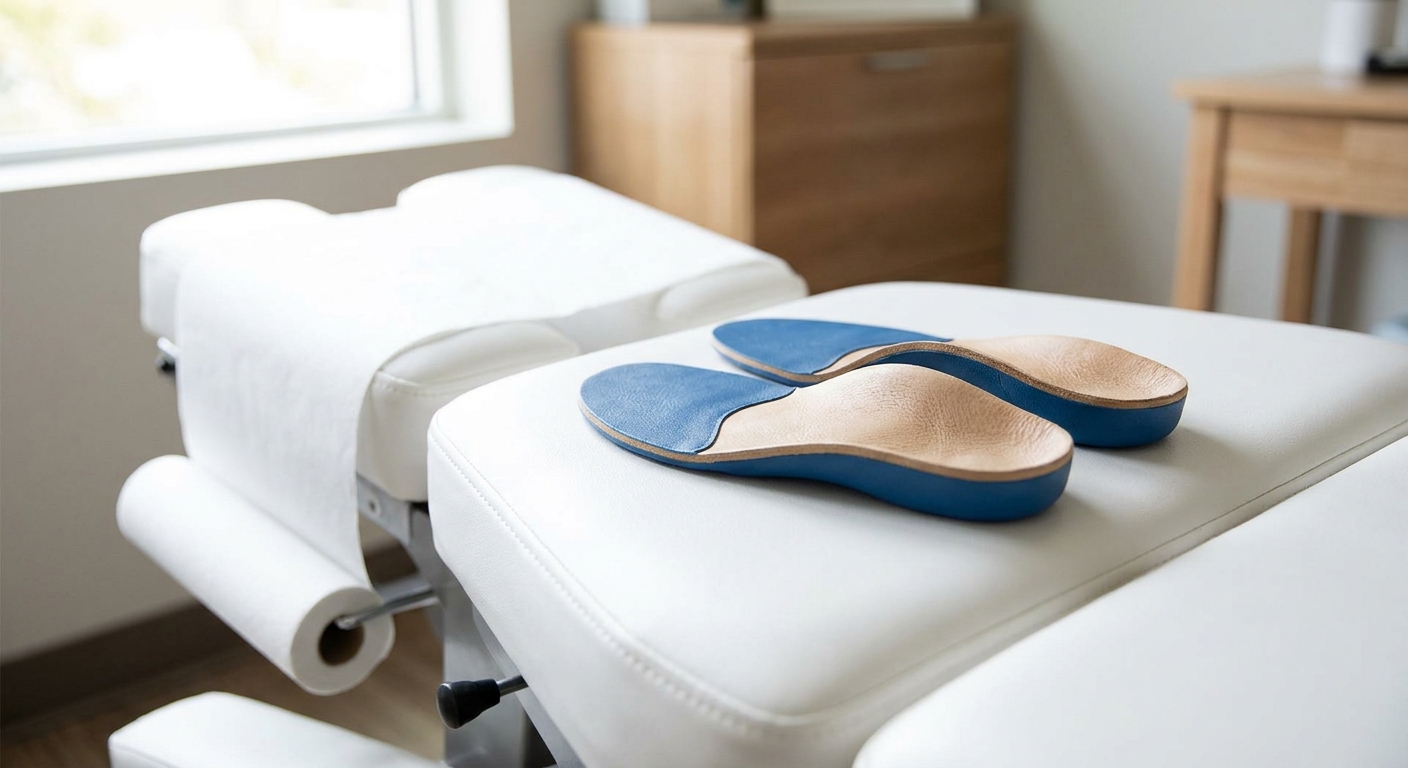
Unlike generic drugstore insoles, custom orthotics are prescription medical devices tailored to the unique contours of your feet. They provide targeted arch support that matches your specific anatomical needs. By supporting the arch at the correct height and angle, orthotics prevent the foot from collapsing inward or remaining too rigid, effectively normalizing your gait cycle.
Realigning the Lower Body
The true power of custom orthotics lies in their ability to realign the entire lower body. By restoring a neutral foot position, they correct the alignment of the tibia and femur, reducing unnatural stress on the joints above.
Alleviating Knee Pain: The Role of Custom Orthotics
Reducing Excessive Rotational Forces
When asking about solutions, the reduction of rotational forces is a primary factor. As the foot overpronates, the shinbone rotates inward, forcing the kneecap to track improperly. Custom orthotics stop this excessive inward rolling at the source, allowing the knee to function as a simple hinge joint without damaging twisting motions.
Preventing Uneven Joint Wear-and-Tear
Misalignment causes uneven pressure on the knee cartilage, accelerating wear-and-tear that can lead to osteoarthritis. By evenly distributing body weight and correcting lower limb alignment, orthotics help preserve the joint space. We have successfully helped over five hundred athletes return to their sport after an injury by addressing these exact biomechanical faults, proving that proper alignment is essential for joint longevity.
Can Proper Foot Alignment Relieve Hip Discomfort?
Stabilizing the Pelvis During Movement
Hip discomfort is frequently a secondary symptom of pelvic instability, which can originate from the feet. When your foot mechanics are asymmetrical, your pelvis must tilt to compensate, straining the hip flexors and gluteal muscles. Custom orthotics provide a stable, symmetrical foundation, allowing the pelvis to remain level during movement and significantly reducing hip strain.
Correcting Leg-Length Discrepancies
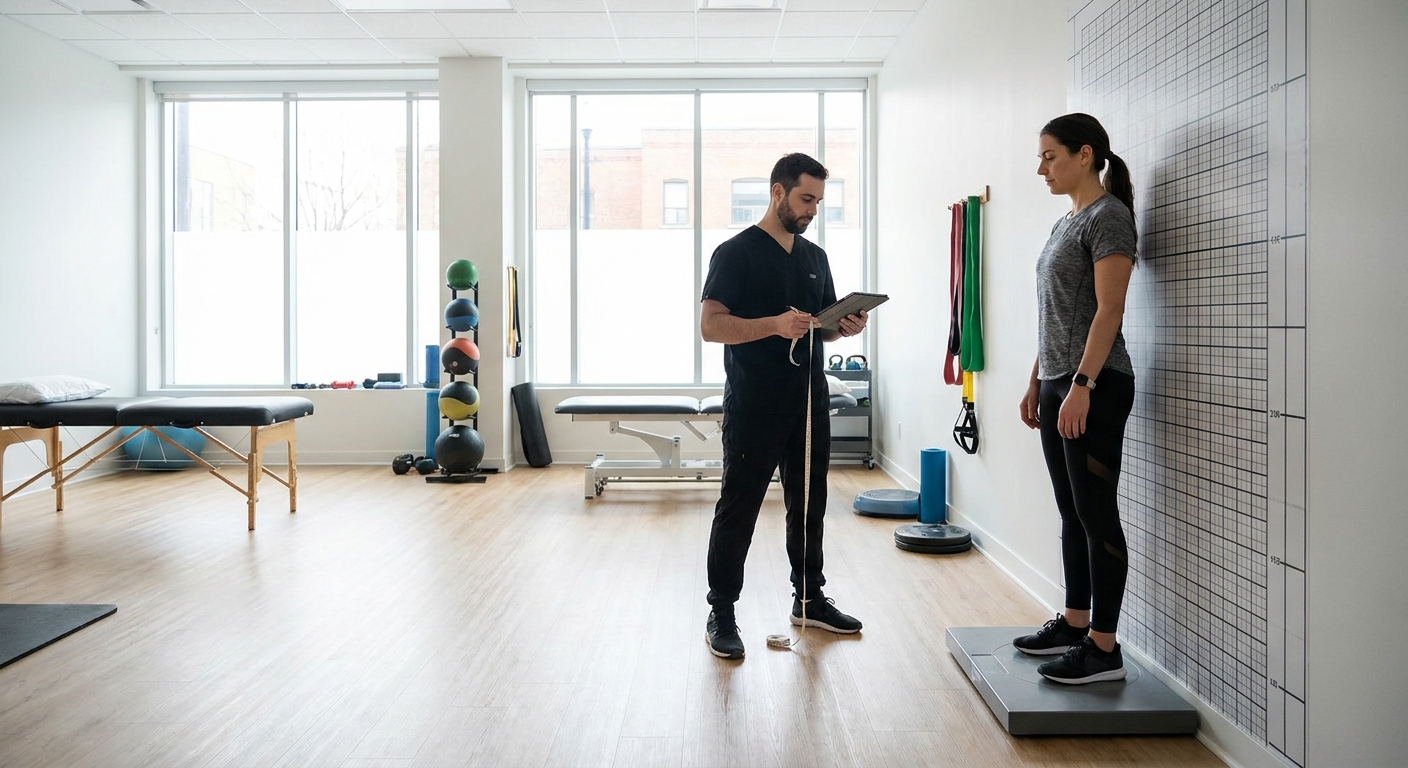
Many individuals have a slight, often unnoticed, structural or functional leg-length discrepancy. This imbalance forces one hip to bear more weight than the other. Our patient care journey begins with an initial comprehensive postural assessment to identify these discrepancies. From there, we create a personalized treatment plan that may include orthotics with a subtle heel lift, followed by active physiotherapy or chiropractic adjustment sessions, and concluding with a take-home kinesiology exercise program for long-term maintenance.
Systemic Conditions vs. Biomechanical Issues: Identifying the Root Cause
Recognizing Localized Biomechanical Pain
Biomechanical pain typically worsens with activity and improves with rest. If your knee or hip discomfort flares up after a long walk or standing for extended periods, it is highly likely that foot mechanics are playing a role. We take pride in explaining your diagnosis in plain language and remaining highly responsive to emails regarding your rehabilitation exercises, ensuring you never feel ignored or dismissed—especially if you arrive with emotional baggage from terrible experiences with other healthcare providers.
When to Suspect Systemic Health Issues
It is crucial to differentiate between mechanical issues and systemic conditions. If your joint pain is accompanied by swelling in multiple joints, morning stiffness that lasts for hours, or skin changes, it may point to systemic issues like inflammatory arthritis or vascular disease.
When to Consult a Specialist for Custom Orthotics
Signs You Need a Professional Assessment
If you are experiencing chronic knee or hip discomfort that has not responded to stretching or rest, it is time to have your foot mechanics evaluated. Uneven shoe wear, frequent ankle sprains, or pain that travels up your leg are all clear indicators that your foundation needs professional attention.
Taking the Next Step Toward Joint Relief
Your journey to recovery should be supported by a team you can trust. We maintain a pristine clinic environment, including sanitized treatment tables and clean gym equipment, so you feel completely safe. With a ninety-eight percent patient satisfaction rate, we are confident in our ability to help you. Schedule your initial consultation today to take the first step toward a pain-free life, and enjoy the convenience of our flexible scheduling.